ContentCreation
The best camera is the one you have with you. In travel content the difference is not gear; it is filming discipline, story and publishing rhythm.
The 5 Rules of Cinematic Phone Filming
The 3-5-10 rule
Shoot every scene steady for at least 5-10 seconds; you will use 1-3 seconds of it in the edit. Short, shaky clips are garbage in the edit.
Light is everything
Golden hour (sunrise/sunset ±1 hour) turns a phone camera professional; midday overhead light kills even the most expensive camera.
The triple shot set
Three shots at every location: wide (the place), medium (you/the action), detail (a hand, the food, a texture). In the edit, the story is born from this trio.
Give movement with your body
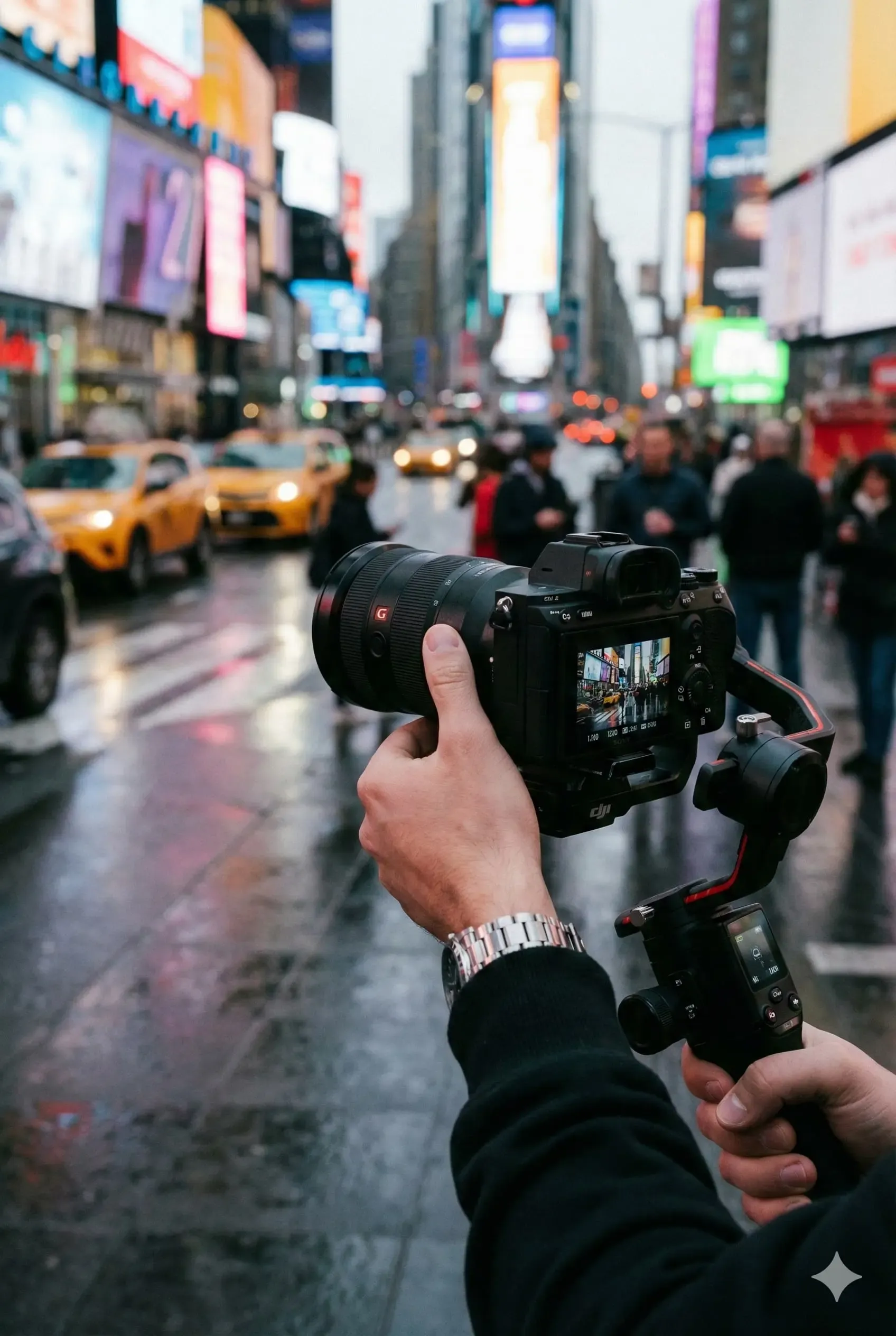
No gimbal? Elbows against the torso, walk with your knees, hold the phone with both hands. The 0.5x wide lens is extra forgiving of shake.
Sound is half the video
Do not record speech in windy places; record the voiceover later somewhere quiet. A lavalier mic is the first sensible gear investment.
The Editing Flow and Algorithm Realities
The standard mobile editing kit: CapCut (speed + subtitles) and Lightroom Mobile (photos). The first 3 seconds are the viewer's stay-or-go decision; open the video with your strongest shot, a question or a promise, not a logo animation.
One video = three pieces of content
Vertical cuts from the long vlog (Reels/Shorts), a carousel from the photos, an article from the experience. Using the same trip in three formats divides the production cost by three.
Filming Permits, Music and People
Drones are a separate world
Many countries require drone registration/permits, some require a customs declaration at entry; flying is mostly banned at museums, historic sites and city centers. Check the country's civil aviation rules before going.
Music copyright
Putting a popular song in a YouTube video means a copyright claim, lost revenue or a takedown. Use licensed libraries (e.g. subscription music services) or the platforms' built-in sound libraries.
Filming people
A crowded general shot is fine; but putting one person in focus and using it commercially requires consent. With children the bar is much higher; when unsure, do not show faces.
Venue rules
Places of worship, museums and, in some countries, public buildings/bridges restrict filming. Respecting the sign and the attendant is both ethics and content safety.
Frequently Asked Questions
Absolutely. Phones from the last 3-4 years are more than enough for someone who uses light correctly. Investment order: lavalier mic → mini tripod → (much later) a camera.
Depends on your format: with short vertical video, Reels/TikTok/Shorts can all be fed with the same content; for long-form storytelling, YouTube. At the start, the one-long-video-plus-short-cuts strategy is the most efficient.
Shoot during the day, 20 minutes of pick-and-delete in the evening, 1-2 fixed publishing days per week. The "I'll edit it all when I'm back" plan turns into 400 GB of chaos when you are back.
Sources and Useful Addresses
- • The destination country's civil aviation authority, drone rules
- • Your own country's copyright act and the Creative Commons licence terms
- • The platforms' official content/copyright policies
Important: this content is general information
Visa rules can change without notice. Always confirm your situation with an official source before you travel: Also check with the embassy or consulate of your destination country in your own country. The information on this page is guidance, not legal advice.
Turn content into income
The road map of sponsorship, collaborations and pricing is in its own guide.
Editor / Influencer Guide